

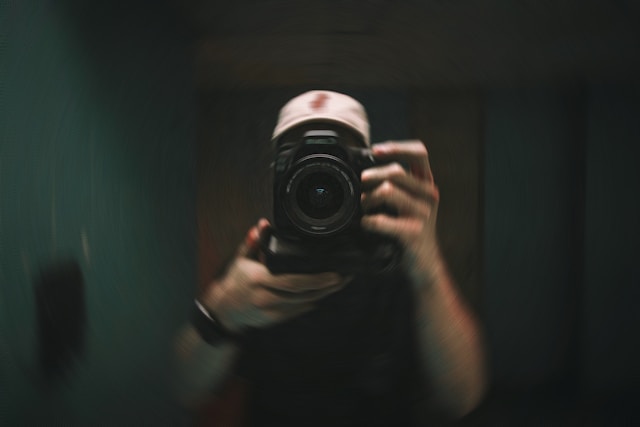
Rarely will you find those who underestimate the power of professional photography. However, what’s even more rare is a person who understands why professional photography possesses such appeal. There’s some science behind it, sure, but also there’s some good old human logic. Our species trusts what looks composed; we usually tend to believe what’s framed. From the first moment someone scrolls through a website, walks past a billboard, or opens a brochure they’ve found in their mailbox, an image performs some magic that language usually can’t perform. It makes a promise, and the good ones, the real professional ones, they’ll deliver that promise in just a little more than a dozen milliseconds. Thirteen, to be exact.
The Greeter

A photograph says hello before anyone or anything else can. It’s the soft opening act of everything that will follow. Businesses that understand the power of professional photography rightly treat images as their front desk; their corporate face. Every shot should tell visitors how much care there is behind a certain product or service. And there’s an odd parallel here to moving houses. You can box things yourself, stack them unevenly, and pray gravity stays kind. Or: you can let experts handle it because hiring local movers beats a DIY move. The very same logic you can apply to visuals. Professionals ensure that nothing fragile breaks in the process of translation.
The Brain’s Shortcut
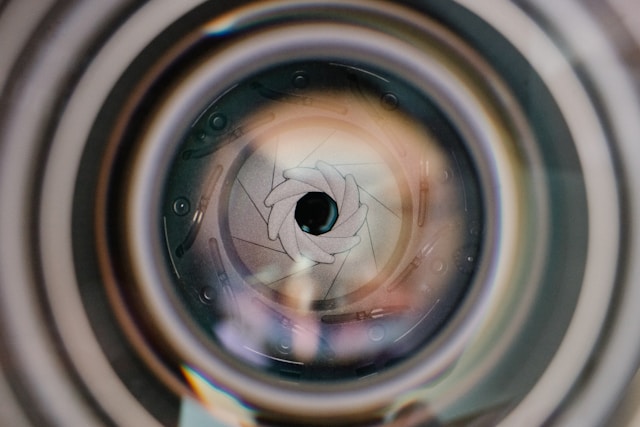
They say that the human brain processes visuals in under 13 milliseconds. That’s much faster than we realize what exactly we are looking at. A photo will create an impression, and from that point, every little detail that should follow – text, layout, tone – gets filtered through that first image. People won’t have the time to choose to trust it; they simply will. Professional images eliminate distractions and, in doing so, help build trust. A well-framed shot will keep the focus where it belongs: on the subject.
Shadows, Light, and Decision
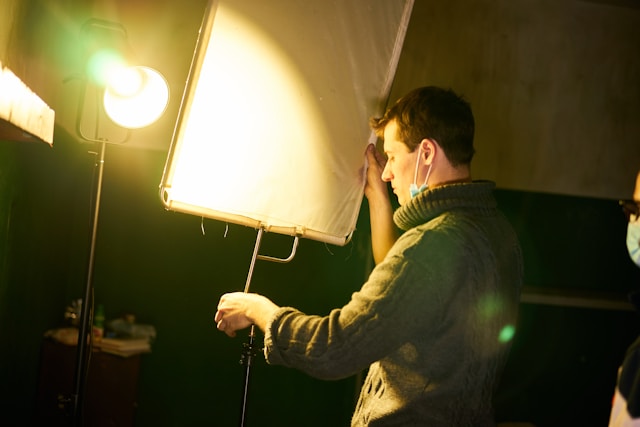
In photography, the right kind of lighting is very important. The light controls mood, tone, and credibility. Too harsh, and the image will feel cold. Too soft, and you’ll end up with something close to vagueness. Professionals know the fine line between what flatters and what deceives. When people scroll, they’re not exactly thinking: hey, this photo looks really well-lit. Instead, they’re thinking: now that looks good. That’s the hidden charm – technical precision creating a sense of emotional ease. The power of professional photography lies right there, in that subtle translation, when technique, without much effort, transcends into feeling.
Photography and The Character of a Brand
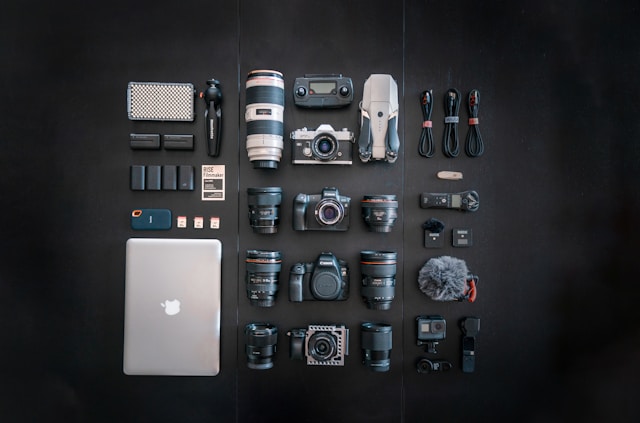
Contrary to popular opinion, brand image is much more than the logo. Think of it as an expression. A pattern of carefully curated moments (or, at least, that’s what it should be). Photography represents the shorthand for that pattern. Think of a coffee shop showing warm tones and textured cups, or a tech company presenting clean lines and sharp contrast. We’re talking about the basic vocabulary of identity. Each image should reinforce a sentence in a brand’s ongoing conversation with its audience. When done well, photos will provide narration. The customer reads that narrative subconsciously and – if the tone matches their expectations – they’re probably staying for good.
The Local Lens
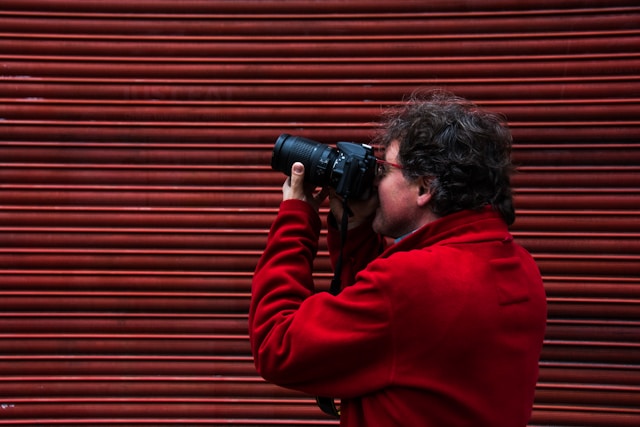
By hiring a local photographer, you’re giving access to someone who already understands the setting, the tone, the visual pulse of the environment. Local expertise will often add a nice dose of character to an image. Streets, weather, light conditions – subtle details that turn generic imagery into something grounded, something real, something your audience can relate to. In smaller communities or growing cities, familiar backgrounds are crucial. Viewers will easily recognize them; they’re used to trusting what they already know. That connection might be small, but it will give off a sense that the business isn’t abstract, distant, but part of the same everyday scenery they’re surrounded by.
Emotion Before Logic

Keep in mind that a photograph with an emotional charge can make the viewer feel something before they think about it. A restaurant photo might trigger hunger, a travel ad might stir restlessness, a corporate portrait might invite curiosity. These reactions happen first; reasoning is what follows. People often – though not so wrongly – assume emotion belongs to color or facial expression, but it will mostly choose to hide in balance, contrast, subtle imperfections, etc. The human eye spots symmetry, yet the human heart responds to what’s slightly off-center. Professional photographers know when to let that imperfection stay, when to leave a wrinkle or a shadow, because that’s exactly what makes the image feel real.
The Big Costs of Amateurism

Beyond being a missed opportunity, poor images can damage a company’s credibility. Blurry, poorly lit, inconsistent visuals will make customers hesitant. They’ll wonder if the service will reflect the same level of inattention. Photography is all about perceived value. A bad photo has the power to turn potential curiosity into silent, effortless dismissal. Today, businesses are spending thousands on branding strategies, yet a single image can undercut all that effort. Another thing: amateur photography consumes too much time. Adjusting lighting, retaking shots, editing endlessly – all of these can drain hours and hours, time you’d better spend on running the business. Professionals save that time by producing consistent results in fewer takes. They already know what works, or at least what has worked in the past, in a similar scenario.
The Frame that Speaks
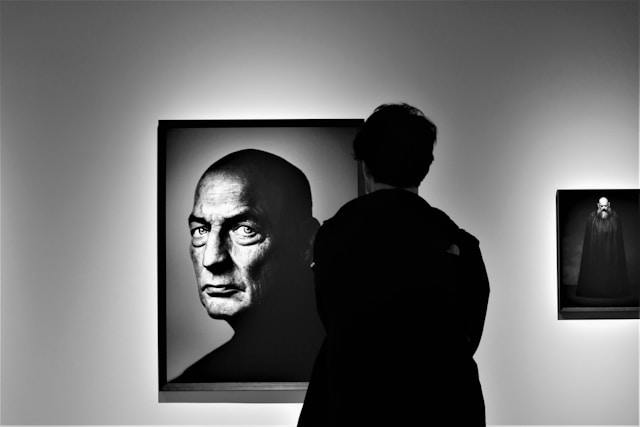
A photo freezes an idea, but the right one will free a perception. That’s the paradox of great photography – it limits the view to expand the meaning. Businesses investing in visuals are actually investing in that pause between looking and believing. The power of professional photography lies in that space. Every frame is there to build credibility, and it does so faster than a sentence could explain it. In that instant, the customer sees more than the surface. And that’s how first impressions take root – firmly, in the mind of whoever’s watching.