

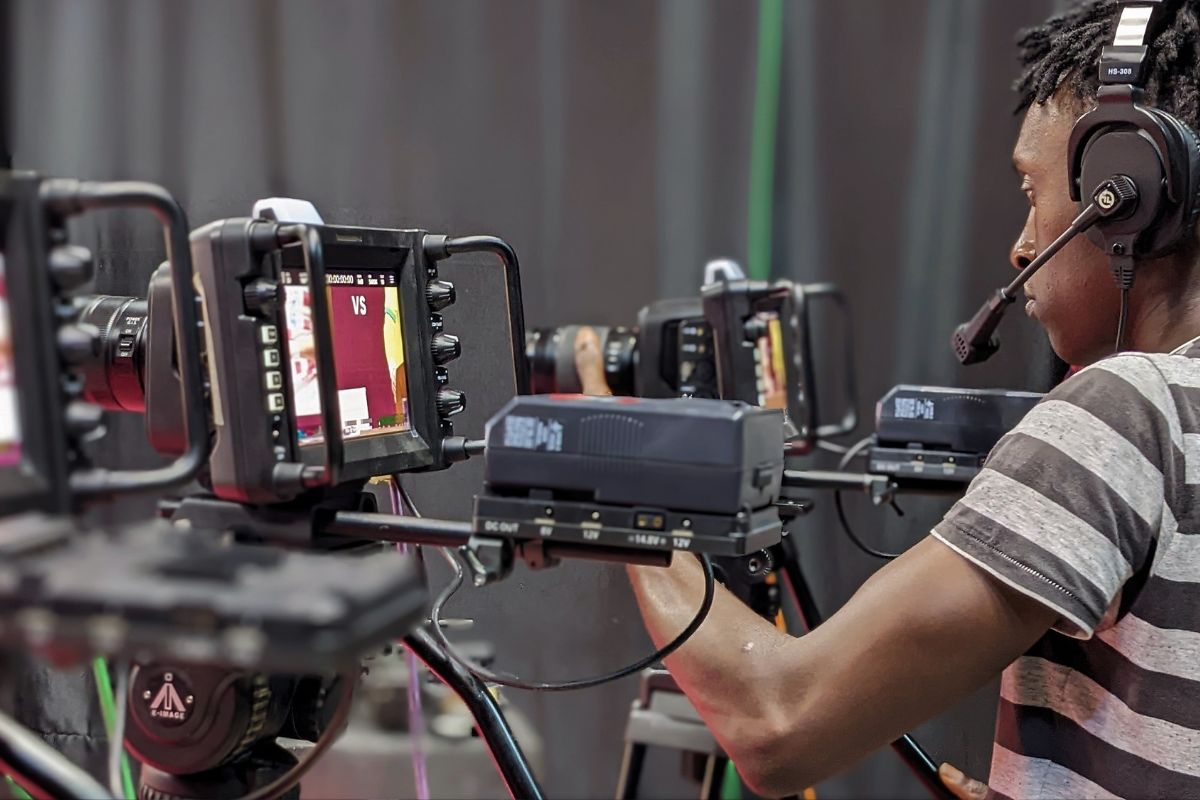
Event videography is a captivating art form. It’s about capturing the essence of a fleeting moment, weaving together sights, sounds, and emotions into a visual tapestry that transcends time. Destination weddings, in particular, present a unique challenge and opportunity for videographers. Here, you’re not just filming a ceremony; you’re chronicling a once-in-a-lifetime adventure against a backdrop that’s as breathtaking as the love story unfolding. This article equips you with the tools and techniques to approach event coverage like a pro.
Pre-Production: Planning Makes Perfect
A successful event video starts long before the first frame is shot. Here’s where meticulous planning separates the amateurs from the pros:
- Understanding the Event: Delve into the details of the wedding. Research the location, its culture, and potential logistical challenges. Talk extensively with the couple. What’s their vision for the video? Are there specific moments they want captured? Do they have a preferred style (cinematic, documentary, etc.)?
- Shot List and Storyboarding: Create a shot list that outlines the key moments you’ll capture, from getting ready to the reception. Storyboarding goes a step further, visually planning your shots to ensure a cohesive narrative flow.
- Location Scouting: If possible, visit the wedding venue beforehand. Familiarize yourself with the lighting conditions, potential shooting angles, and potential audio challenges (e.g., ocean waves, wind).
Gear Up for Success: Essential Equipment
Destination weddings often involve travel. Pack light but smart:
- Cameras: A versatile camera body with the ability to shoot high-quality video is essential. Consider a mirrorless camera for its compact size and excellent image quality. Pack a backup camera body in case of unforeseen circumstances.
- Lenses: Pack a range of lenses to capture everything from wide panoramic shots of the venue to intimate close-ups of the couple. A good all-around zoom lens will be your best friend, but a prime lens for low-light situations might also be useful.
- Audio: Capture crisp audio with a shotgun microphone mounted on your camera or a separate audio recorder with a lavalier microphone for the couple. Consider wind protection for outdoor locations.
- Tripod and Stabilizer: A sturdy tripod ensures stable shots for ceremonies and speeches. A handheld stabilizer helps smooth out camera shake when capturing dynamic footage.
- Drone (Optional): While regulations vary, a drone can capture stunning aerial shots of the wedding venue and surrounding landscape. Ensure you have the necessary permits and are comfortable operating a drone safely.
Capturing the Magic: Techniques and Tricks
Now comes the fun part: filming the wedding! Here are some pro techniques to elevate your footage:
- Lighting is King: Natural light is your best friend, but be prepared to adapt. Use a diffuser to soften harsh midday sun, and bounce light with a reflector during shade. For low-light situations, consider using an LED light panel.
- Shot Variety: Avoid static shots. Move around, experiment with different angles, and incorporate close-ups, medium shots, and wide shots to create a dynamic visual experience.
- B-Roll is Your Best Friend: B-roll footage refers to supplemental shots that set the scene and tell a story beyond the main action. Capture details like the venue décor, guests arriving, cultural elements, and scenic beauty of the destination.
- Audio Matters: Pay close attention to audio quality. Monitor sound levels throughout the event and adjust accordingly. Utilize a separate audio recorder with a lavalier microphone for clear dialogue capture.
- Capture the Unexpected: While sticking to your shot list is important, be prepared to capture candid moments and unexpected reactions. These often become the most treasured parts of the final video.
Capturing a Wedding: Embrace the Uniqueness
Destination weddings add an extra layer of complexity and opportunity:
- Cultural Sensitivity: Be respectful of local customs and traditions. Research any cultural sensitivities regarding photography or videography.
- Embrace the Location: Showcase the unique beauty of the wedding destination. Capture the local landscape, architecture, and cultural elements that set this wedding apart.
- Be Flexible and Adaptable: Travel throws curveballs. Be prepared to adjust your plans due to weather changes, unexpected logistical challenges, or limited access to certain areas.
- Capture the Journey: A wedding is more than just the ceremony. Document the couple’s journey – their pre-wedding exploration, interactions with guests from different backgrounds, and the overall experience of celebrating in a new place.
Post-Production: Weaving the Story Together
The editing room is where your raw footage transforms into a captivating narrative. Here’s where the magic happens:
- Organize Your Footage: Import your footage into your editing software and create a well-organized system for managing clips. Label clips clearly, categorize them by event segment, and utilize color coding or markers for easy access.
- Assemble the Rough Cut: Start by stringing together your footage in chronological order. This rough cut will serve as a foundation for your final edit.
- Storytelling Through Editing: The true art of videography lies in crafting a story through editing. Look for emotional moments, natural transitions, and opportunities to use pacing to build anticipation. Don’t be afraid to experiment with creative cuts, slow-motion effects, and B-roll footage to enhance the narrative flow.
- Color Grading: Color grading establishes the mood and visual style of your video. Explore different color palettes that complement the wedding theme and destination location.
- Sound Design: Clean up your audio by removing background noise and ensuring dialogue clarity. Add subtle sound effects that enhance the atmosphere of the video, and incorporate music that complements the overall mood.
Wedding Specifics in Post-Production
When editing a wedding video, remember these points:
- Showcase the Location: Throughout the editing process, weave in B-roll footage that highlights the destination’s beauty. Use creative transitions to connect these shots to the main event, creating a sense of place and immersion.
- Incorporate Local Elements: Include subtle audio elements like traditional music or sound effects that nod towards the local culture.
- Capture the Journey: Use your footage to tell the story of the couple’s journey, from travel to pre-wedding activities and post-wedding celebrations. This adds depth and personalizes the videography beyond just the ceremony itself.
Additional Tips and Considerations
Here are some additional points to consider:
- Client Communication: Maintain open communication with the couple throughout the editing process. Share rough cuts and solicit their feedback to ensure the final product reflects their vision.
- Delivery Formats: Offer your video in a variety of formats, including high-resolution for online sharing and a compressed version for easier sharing on social media.
- Marketing Yourself: Showcase your wedding videography skills by creating highlight reels or short teasers that showcase your work. Share these on your website and social media platforms to promote your services.
By following these techniques and embracing the unique opportunities presented by a wedding, you can create a video that captures the essence of the celebration, the beauty of the location, and the love story that brought everyone together. Remember, event videography is an art form. Don’t be afraid to experiment, find your own style, and most importantly, capture the magic of the moment for your clients to cherish for years to come.